Are Bunions Affecting Your Everyday Life?

Have you noticed a bony protrusion on the side of your big toe? If so, you may have developed the foot condition known as a bunion. Don't let bunions interfere with your daily activities.

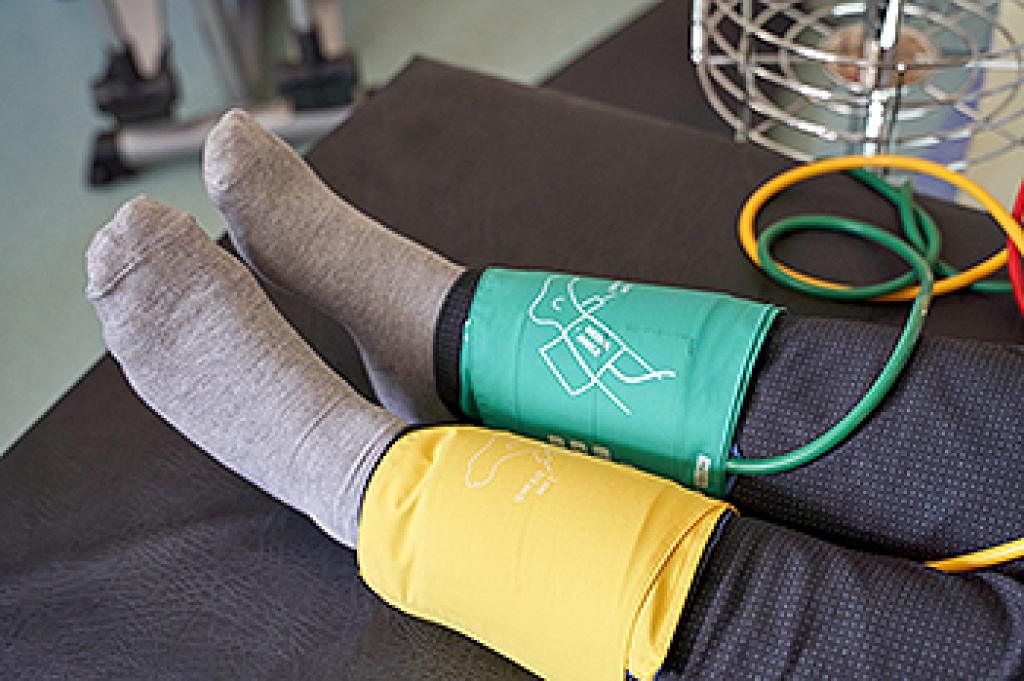
Why Feet and Ankles Swell

Swollen feet and ankles, also known as edema, occur when fluid builds up in the tissues, causing puffiness and discomfort. This can happen from everyday lifestyle factors such as sitting or standing for long periods, especially during travel, which slows circulation. A high salt diet may also lead to fluid retention. Swelling also can be linked to medical conditions that affect blood flow or fluid balance. Symptoms may include tightness, heaviness, and visible swelling around the feet and ankles. Risk factors include inactivity, poor circulation, and certain health concerns. A podiatrist can evaluate the cause, recommend supportive care, and suggest ways to improve circulation. If your feet and ankles are swollen for most of the day, it is suggested that you consult a podiatrist who can offer effective relief and management tips.

Swollen feet can be a sign of an underlying condition. If you have any concerns, contact Dr. Joshua David Scoll of Pennsylvania. Our doctor can provide the care you need to keep you pain-free and on your feet.

Swollen feet are a common ailment among pregnant women and people who stand or sit for extended periods. Aging may increase the possibility of swollen feet and patients who are obese often notice when their feet are swelling too. There may be medical reasons why swollen feet occur:

  • Phlebitis - A condition that causes the veins to become inflamed and can also cause leg pain.
  • Liver disease - This may lead to low blood levels of albumin which is a protein. This can cause fluid in the blood to pass into the tissues and several areas of the body can become swollen.
  • Heart failure - When the heart doesn’t pump properly the blood that is normally pumped back to the heart can pool in the veins of the legs causing swollen feet.
  • Kidney disease - One of the main functions of the kidneys is releasing excess fluid in the body. This type of condition can make it difficult for the kidneys to function properly, and as a result the feet may become swollen.
  • Deep-vein thrombosis (DVT)- This is a serious condition where blood clots form in the veins of the legs. They can block the return of blood from the legs to the heart which may cause the feet to swell. It is important to be treated by a podiatrist if this condition is present.

Swollen feet can also be caused by bone and tendon conditions, including fractures, arthritis, and tendinitis. Additionally, there may be skin and toenail conditions and an infection may cause the feet to swell. Patients who take medicine to treat high blood pressure may be prone to getting swollen feet. 

Many patients elevate their feet to help relieve the swelling and this is generally a temporary remedy. When a podiatrist is consulted the reason behind the swelling can be uncovered and subsequently treated.

If you have any questions please contact one of our offices located in Philadelphia, Bensalem . We offer the newest diagnostic and treatment technologies for all your foot and ankle needs.

Read more about Swelling of the Feet

Causes of Foot Stress Fractures

A stress fracture is a small crack in a bone that develops from repetitive force rather than a single injury. It commonly occurs in the feet and ankles due to repeated stress from activities such as walking and running. Causes include sudden increases in running speed or distance, and inadequate recovery time. Symptoms often involve localized pain, swelling, and tenderness that worsens with activity and improves with rest. Risk factors include wearing improper footwear, low bone density, and high-impact sports. A podiatrist can diagnose stress fractures through examination and imaging, provide immobilization strategies, and recommend footwear or orthotics to support healing. Early treatment is essential to prevent worsening injury. If you have symptoms of a foot stress fracture, it is suggested that you consult a podiatrist who can accurately diagnose and offer effective treatment solutions.

Activities where too much pressure is put on the feet can cause stress fractures. To learn more, contact Dr. Joshua David Scoll from Pennsylvania. Our doctor can provide the care you need to keep your pain free and on your feet.

Dealing with Stress Fractures of the Foot and Ankle

Stress fractures occur in the foot and ankle when muscles in these areas weaken from too much or too little use.  The feet and ankles then lose support when walking or running from the impact of the ground. Since there is no protection, the bones receive the full impact of each step. Stress on the feet can cause cracks to form in the bones, thus creating stress fractures.

What Are Stress Fractures?

Stress fractures occur frequently in individuals whose daily activities cause great impact on the feet and ankles. Stress factors are most common among:

  • Runners                                
  • People affected with Osteoporosis
  • Tennis or basketball players
  • Gymnasts
  • High impact workouts

Symptoms

Pain from the fractures occur in the area of the fractures and can be constant or intermittent. It will often cause sharp or dull pain with swelling and tenderness. Engaging in any kind of activity which involves high impact will aggravate pain.

If you have any questions please contact one of our offices located in Philadelphia, Bensalem . We offer the newest diagnostic and treatment technologies for all your foot and ankle needs.

Read more about Dealing with Stress Fractures of the Foot and Ankle

What Causes Foot Corns?

Foot corns are small areas of thickened skin that develop due to repeated pressure or friction. They commonly form on the top and sides of toes or on weight-bearing areas of the foot where shoes may rub. Corns develop as a protective response when the skin tries to shield itself from irritation. Causes include ill-fitting footwear, abnormal foot structure, and repetitive movement that increases pressure on certain areas. Symptoms may include tenderness, pain, and a hardened raised bump that can make walking uncomfortable. Risk factors include wearing tight shoes, toe deformities, and prolonged standing. A podiatrist can help by safely removing corns, addressing underlying causes, and recommending proper footwear. If you have a painful corn, it is suggested that you consult a podiatrist who can offer effective relief, treatment, and prevention solutions. 

Corns can make walking very painful and should be treated immediately. If you have questions regarding your feet and ankles, contact Dr. Joshua David Scoll of Pennsylvania. Our doctor will treat your foot and ankle needs.

Corns: What Are They? And How Do You Get Rid of Them?
Corns are thickened areas on the skin that can become painful. They are caused by excessive pressure and friction on the skin. Corns press into the deeper layers of the skin and are usually round in shape.

Ways to Prevent Corns
There are many ways to get rid of painful corns such as:

  • Wearing properly fitting shoes that have been measured by a professional
  • Wearing shoes that are not sharply pointed or have high heels
  • Wearing only shoes that offer support

Treating Corns

Although most corns slowly disappear when the friction or pressure stops, this isn’t always the case. Consult with your podiatrist to determine the best treatment option for your case of corns.

If you have any questions, please feel free to contact one of our offices located in Philadelphia, Bensalem . We offer the newest diagnostic and treatment technologies for all your foot care needs.

Read more about Everything You Need to Know About Corns

Dealing With Gout

Gout is a form of inflammatory arthritis that occurs when uric acid builds up in the bloodstream and forms crystals within a joint, often affecting the big toe. This can cause sudden and intense pain along with redness, warmth, and swelling that may develop quickly and make walking or wearing shoes difficult. The joint may look inflamed and feel extremely tender, even with light pressure. A podiatrist can play an important role in identifying gout, helping to manage symptoms early and coordinating with other providers if testing is needed. Treatment typically focuses on reducing inflammation and relieving pain with appropriate medication while also protecting the joint during flare-ups. A podiatrist can also recommend proper footwear, activity adjustments, and strategies to reduce stress on the affected area to help prevent future episodes. If you have gout, it is suggested that you make an appointment with a podiatrist.

Gout is a painful condition that can be treated. If you are seeking treatment, contact Dr. Joshua David Scoll from Pennsylvania. Our doctor will treat your foot and ankle needs.

What Is Gout?

Gout is a form of arthritis that is characterized by sudden, severe attacks of pain, redness, and tenderness in the joints. The condition usually affects the joint at the base of the big toe. A gout attack can occur at any random time, such as the middle of the night while you are asleep.

Symptoms

  • Intense Joint Pain - Usually around the large joint of your big toe, and it most severe within the first four to twelve hours
  • Lingering Discomfort - Joint discomfort may last from a few days to a few weeks
  • Inflammation and Redness -Affected joints may become swollen, tender, warm and red
  • Limited Range of Motion - May experience a decrease in joint mobility

Risk Factors

  • Genetics - If family members have gout, you’re more likely to have it
  • Medications - Diuretic medications can raise uric acid levels
  • Gender/Age - Gout is more common in men until the age of 60. It is believed that estrogen protects women until that point
  • Diet - Eating red meat and shellfish increases your risk
  • Alcohol - Having more than two alcoholic drinks per day increases your risk
  • Obesity - Obese people are at a higher risk for gout

Prior to visiting your podiatrist to receive treatment for gout, there are a few things you should do beforehand. If you have gout you should write down your symptoms--including when they started and how often you experience them, important medical information you may have, and any questions you may have. Writing down these three things will help your podiatrist in assessing your specific situation so that he or she may provide the best route of treatment for you.

If you have any questions, please feel free to contact one of our offices located in Philadelphia, Bensalem . We offer the newest diagnostic and treatment technologies for all your foot care needs.

Read more about Gout

Connect With Us